


Crepey Skin on Arms: What Causes It and What May Help
Updated: 5 days ago
Crepey skin on the arms isn’t caused by age alone. Learning how to fix crepey skin on arms starts with daily moisturising and broad-spectrum sunscreen of at least SPF 30, alongside understanding what may be driving the change. Home care can improve hydration and the skin’s surface appearance, but it can’t reliably tighten significant loose skin.
If fine lines or thin, crinkled skin on your arms are bothering you, it’s understandable to want a clear, realistic way to improve their appearance. Crepey skin can develop for different reasons and may appear earlier than expected. This guide covers common causes, practical steps that may help, and when a professional assessment is sensible. You’ll also learn what skin treatments can and can’t do, so you can weigh your options with confidence.
Table of Contents
1. Can crepey skin affect everyone?
Crepey skin can affect people of different ages and skin types, although age isn’t the only factor. It often starts to appear in a person’s 40s, but earlier changes can happen. Chronic tanning-bed use or substantial weight gain and loss can be associated with crepey skin appearing in a person’s 20s. The arms may show fine, crinkled lines, especially where skin has had regular sun exposure.
Sun protection helps limit further UV damage to exposed arm skin. Choose a broad-spectrum sunscreen that protects against both UVA and UVB rays, and use at least SPF 30. According to Cleveland Clinic dermatologist Amy Kassouf, broad-spectrum sunscreen with at least SPF 30 can help protect skin from UV rays. Apply it to exposed arms as part of your daily routine, rather than relying on sunscreen only during sunny weather.
Make sunscreen part of your routine. Keep it near things you use before leaving home, such as your keys, and apply it to uncovered areas of both arms. Follow the product directions for application and reapplication, particularly after swimming or sweating. Clothing that covers your arms can also reduce direct sun exposure. These steps help limit further UV damage, but won’t reverse existing skin changes.
Application matters, too. If you tend to apply a thin layer, SPF 50 or higher can provide more coverage, according to Cleveland Clinic dermatologist Amy Kassouf. Broad-spectrum protection remains important, since the SPF number alone doesn’t describe protection against both UVA and UVB rays. Choose a sunscreen you’ll use consistently, and include the backs of your arms and shoulders when they’re exposed.
In the UK, cosmetic treatment costs depend on the treatment, the area assessed and the plan involved. A price is provided after a quote request, with the cost shaped by those factors.
See a GP about sudden skin thinning, easy bruising, persistent itching, bleeding, non-healing spots, or a change in texture alongside other symptoms. These changes need assessment rather than being assumed to be ordinary ageing or sun exposure.
For gradual changes without these warning signs, observe whether the texture changes over several weeks. Compare your arms in consistent lighting and note where the skin looks creased or unusually thin. This can help you describe the change clearly at an appointment. If you’re considering how to fix crepey skin on arms, identifying the likely cause is a useful first step: sun protection addresses ongoing exposure, while other concerns may need a different approach.
2. Crepey Skin on Arms and Legs: What Can Improve Its Look?
Moisturiser can boost hydration and make crepey-looking skin feel softer. Look for ingredients such as glycerin, ceramides or hyaluronic acid. These help hydrate the skin, while a rich cream can ease tightness and dryness on the arms and legs. An oil can help slow moisture loss, but it doesn’t add water to the skin by itself.
For a practical routine, apply moisturiser after washing, while your skin is still slightly damp. Smooth it over your arms or legs and massage gently until absorbed. Your skin may feel softer after one application, although changes in appearance take longer. Topical treatments usually take several weeks to months to show noticeable improvement.
Products containing lactic acid, glycolic acid or salicylic acid combine moisturising with gentle exfoliation. These ingredients can loosen dry surface build-up and temporarily leave skin feeling smoother. Start by exfoliating once weekly rather than layering several exfoliating products at once. Don’t exfoliate cuts, rashes, sunburn or unexplained lesions, as this may irritate the area.
Retinol creams are another topical option. Retinol may support collagen and elastin, which contribute to skin elasticity, but can cause dryness and flaking when you first use it. Apply vitamin A products in the evening and follow the product directions. Prescription tretinoin is stronger. Use it only as directed by the prescriber, and seek their advice if irritation becomes troublesome.
Laser, radiofrequency and microneedling are in-clinic treatment categories used to address skin appearance. They aren’t interchangeable, and choosing between them depends on the skin concern and the method being considered. Radiofrequency can be painful and costly, carries slight risks, and has variable success rates. It isn’t suitable for everyone. No single device-based approach should be treated as a reliable way to tighten significant loose skin.
To improve dryness, focus on moisturising consistently rather than adding more products. Choose one cream with ingredients such as ceramides or hyaluronic acid, apply it to damp skin, and observe the texture in consistent lighting over several weeks. Note any changes or irritation. Drinking enough water supports general health, but drinking more won’t reverse structural skin ageing.
3. Ageing, sun exposure and other risk factors
Consider risk factors as part of your wider skin history, not as a diagnosis on their own. A useful review looks at where the texture appears, how it developed and what else changed around the same time. For example, creasing limited to one area may call for a different discussion from changes across both upper arms.
Sun exposure varies with routine and clothing, so consider which parts of your arms are usually uncovered. Someone who wears short sleeves for outdoor work may have a different exposure pattern from someone whose arms are mostly covered. This context can help explain why visible changes may not appear evenly across the body.
Also consider whether the skin change coincided with a change in your general health or prescribed treatment. Write down the medicine name and when you began taking it, then bring that information to a healthcare appointment. Don’t stop prescribed treatment on your own. A clear record lets the prescriber consider the timing without assuming the medicine is responsible.
Age can be part of the picture, but it doesn’t determine how an individual’s arms will look. Skin history varies, as does where changes become noticeable. Rather than comparing your arms with someone else’s, describe the specific area and what concerns you. Comparing with your own earlier appearance is more useful than assuming a particular age-related pattern.
Reviewing risk factors is especially helpful before choosing a cosmetic approach. Make a short list of relevant details, including the affected areas, when you first noticed the change, your usual outdoor clothing and any recent changes to prescribed treatment. This gives a clinician a clearer starting point and helps distinguish a surface-texture concern from another change that needs medical assessment.
Focus on the pattern rather than a single suspected cause. For instance, if your upper arms look different from your forearms, note that distinction rather than labelling the whole change as sun-related. A careful account of location, timing and relevant health context supports an individual assessment and a better-informed discussion of possible next steps.

4. Causes of crepey skin on the arms
Crepey skin describes an appearance, not one single cause. Similar fine wrinkling can develop through different combinations of influences, so appearance alone cannot identify why it started. Avoid treating one visible feature as proof of a particular cause. A more useful approach is to consider the skin change alongside your own history and how it has developed.
Collagen and elastin contribute to the skin’s elasticity. Retinol may support these components, but that doesn’t mean every crepey-looking area has the same underlying change. The visible surface is only part of the picture. A product’s effect on one aspect of skin doesn’t establish the cause of another person’s arm texture.
More than one influence may contribute at once. For example, someone may notice a gradual change alongside a history of regular sun exposure. It isn’t helpful to assume one factor explains everything. The same visible texture can reflect overlapping influences, and their relative importance may be difficult to judge from appearance alone.
Consider whether the change is limited to your arms or appears elsewhere. This observation can help frame a discussion, but it doesn’t prove a cause. Likewise, a difference between your upper arm and forearm is useful to describe, not a diagnosis. Keep your observations specific: note the area, its appearance, and whether the change seems stable or is progressing.
A practical record can help you avoid relying on memory. Briefly describe what you see, then add any relevant changes in your health or routine. Keep the language descriptive rather than diagnostic: “fine crinkling on the upper arm” is more useful than “sun damage” if no assessment has established that explanation.
When considering what may help, match the approach to the concern rather than an assumed cause. Surface dryness and skin looseness are different issues, even if both make the arms look creased. Home care may improve hydration and surface appearance, but it can’t reliably tighten significant loose skin. A clear description of the change supports a focused discussion about realistic next steps.
Long-term prednisone use is a potential cause of crepey skin. If this is part of your history, mention it when describing the change and discussing next steps. It can be considered alongside where the texture appears and how it developed, rather than treated as proof of the cause on its own.
5. How can you tell crepey skin from loose skin or sun damage?
Focus on what the skin looks like and how it sits on your arm. Crepey skin usually describes a finely crinkled surface, while loose skin tends to hang or form a fold. Sun damage may involve visible changes in colour or texture on exposed areas. These features can overlap, so describe what you notice rather than assuming one label explains everything.
Look at your upper arm and forearm separately. Fine lines spread across the surface may look different from a defined fold beneath the upper arm. If both are present, note them as separate features. This distinction helps clarify whether your main concern is surface texture, skin laxity, uneven colour or a combination.
Sun-related changes may be more apparent on areas often left uncovered, such as the outer arms. Compare the visible colour and texture with skin usually covered by clothing. This can help you explain the pattern, but it can’t confirm the cause. A qualified assessment is needed to identify a specific skin change.
Notice how the appearance changes with your arm’s position. A fold may become more visible when your arm hangs naturally, while fine surface lines can remain visible when the skin is gently stretched. This simple observation helps you describe the difference, but it isn’t a diagnostic test.
Crepey texture, loose skin and sun-related changes may occur together. For example, an arm can have fine surface lines, a fold and uneven colour. Moisturising can ease dryness and improve how the surface feels, but it can’t reliably tighten significant loose skin. Separating these features helps you set a clearer goal before considering cosmetic care.
When discussing the change with a healthcare professional, describe its location and appearance in plain terms. Mention whether you see fine crinkling, hanging skin, uneven colour or several features together. Avoid diagnosing the cause yourself. A clear description helps focus the discussion on what the skin looks like and which next steps are appropriate.
Nefretiti Laser Clinic & Aesthetics: Laser Hair removal
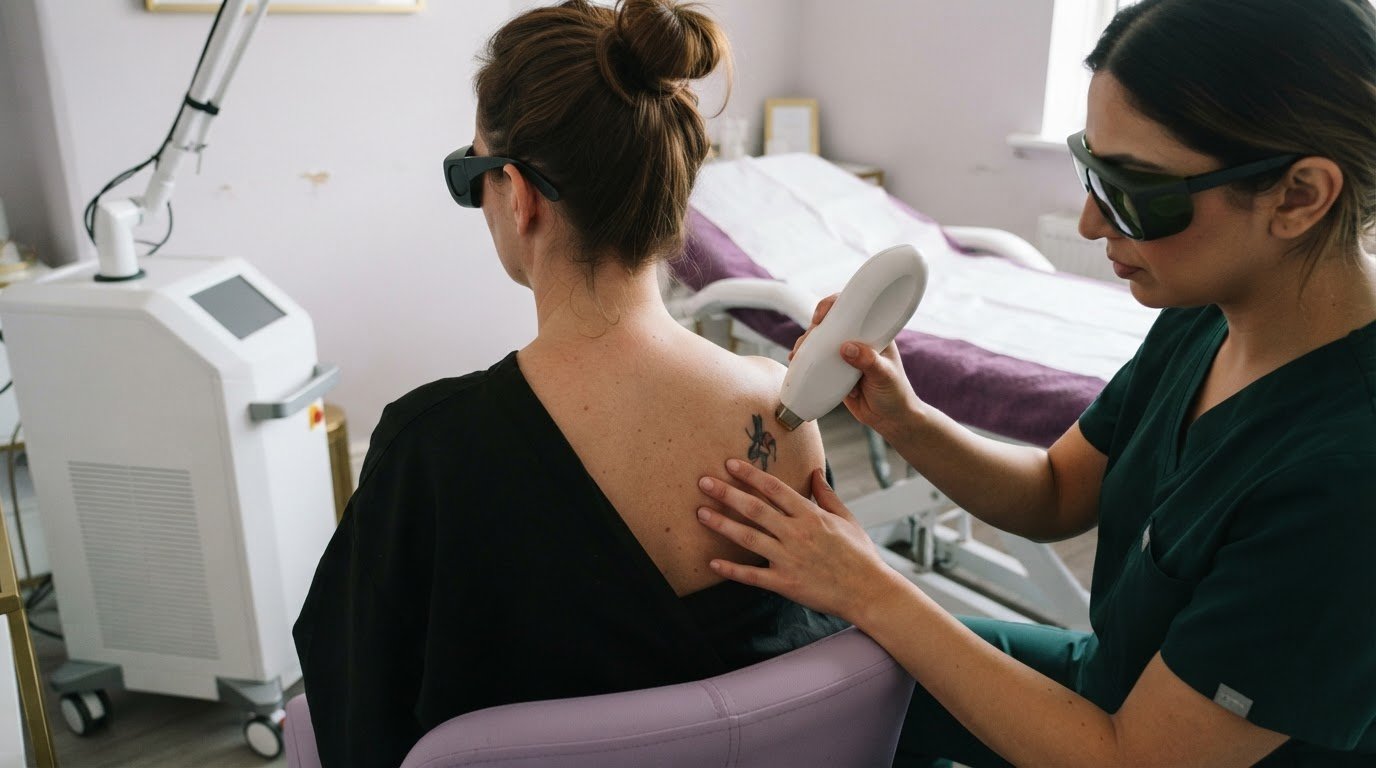
Nefretiti Laser Clinic & Aesthetics offers laser hair removal for people seeking to reduce unwanted hair. It isn’t a treatment for crepey texture or loose skin, so it shouldn’t be chosen to tighten the arms. Matching the treatment to your concern helps set realistic expectations.
If your concern includes uneven pigmentation alongside crepey-looking skin, IPL skin treatments may be relevant to the appearance of some pigmentation concerns, subject to suitability. They don’t replace assessment of a new or changing skin mark, and shouldn’t be presented as a way to tighten loose skin. A consultation can help clarify whether the concern is pigmentation, texture or both.
Based in Elm Park, Hornchurch, Nefretiti Laser Clinic & Aesthetics welcomes clients from nearby areas, including Romford and Upminster. For guidance on a suitable next step, contact Nefretiti Laser Clinic & Aesthetics or visit nefretitiaesthetics.co.uk.
Choose a next step that fits your concern
If you’re considering how to fix crepey skin on arms, first decide what you’d most like to address: surface texture, loose skin or another concern. This distinction keeps your next steps focused and helps prevent choosing a cosmetic treatment for a different purpose.
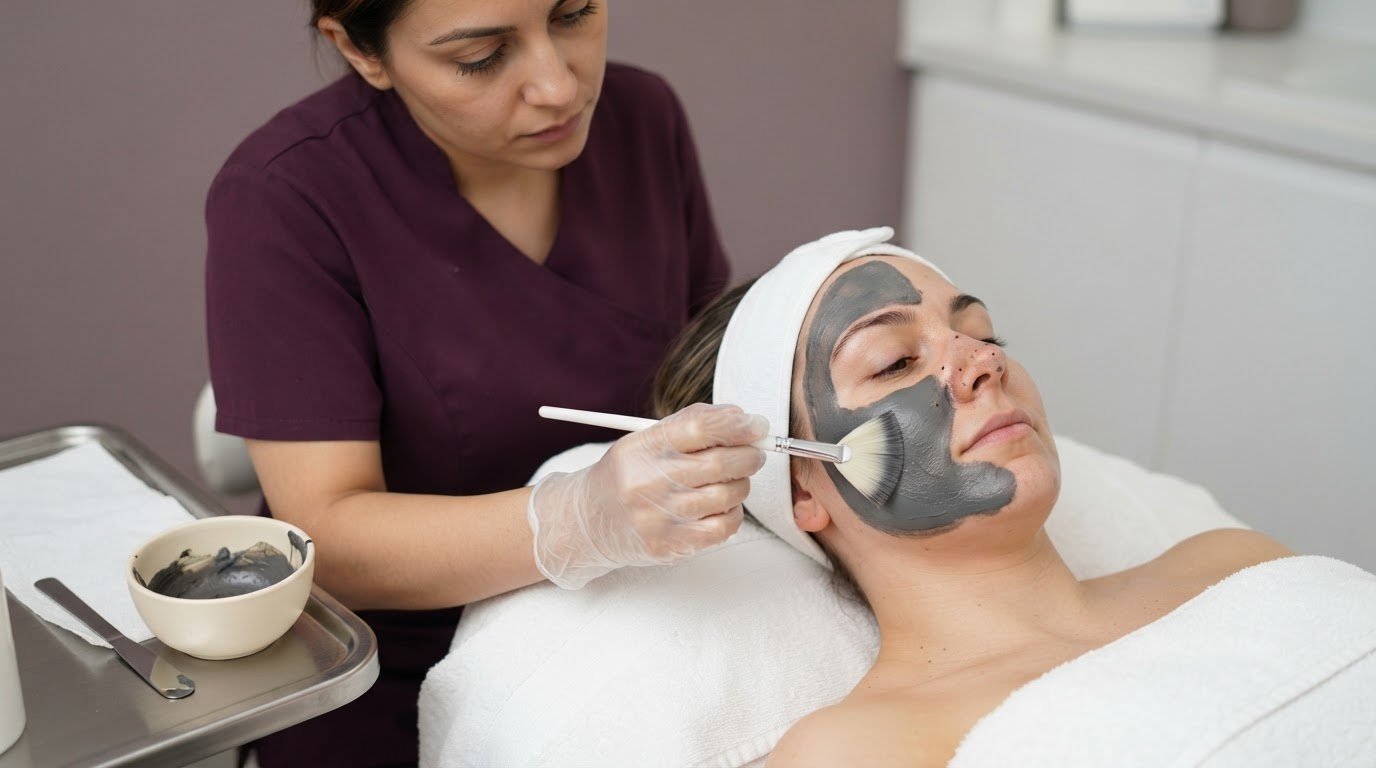
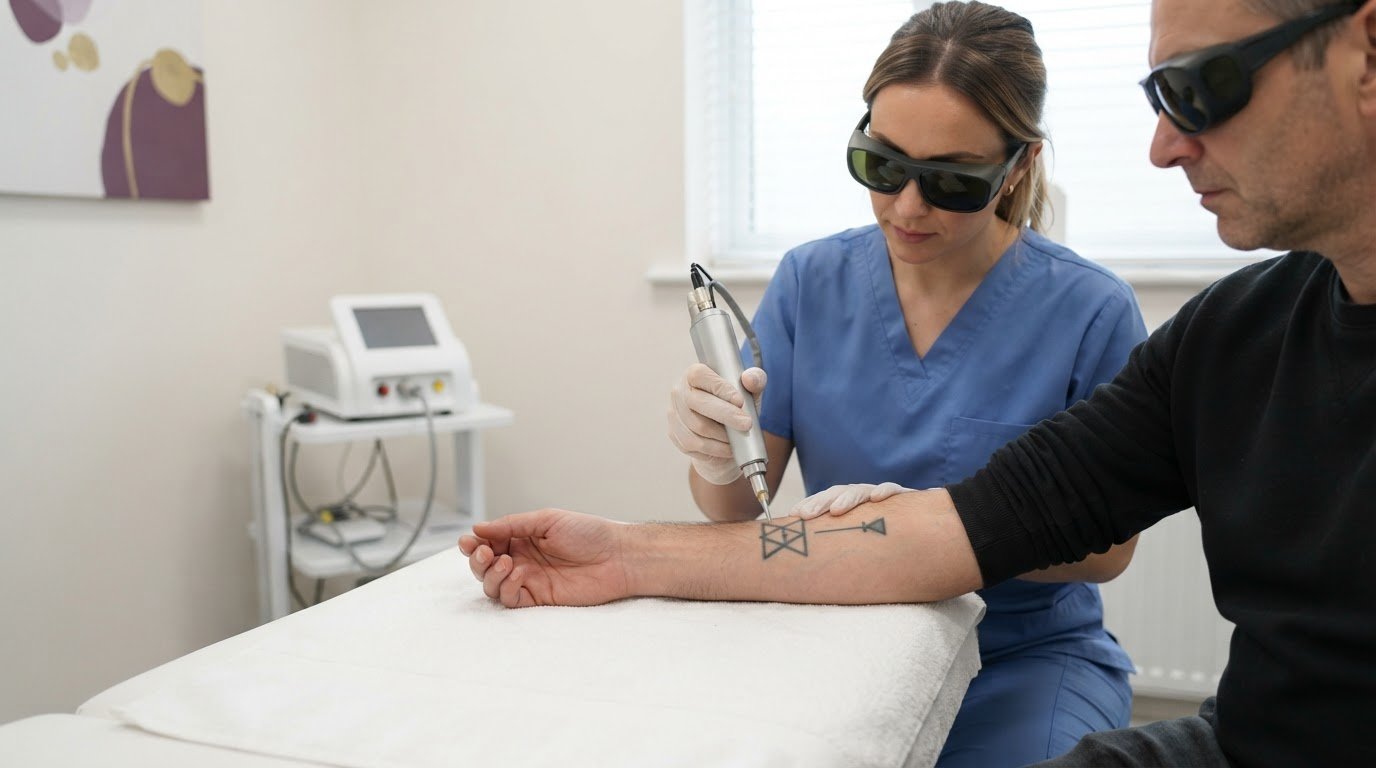
Nefretiti Laser Clinic & Aesthetics offers laser hair removal, laser tattoo removal and a charcoal facial. These services address hair removal, tattoo removal and facial skincare goals; they aren’t treatments for tightening crepey skin on the arms. A professional discussion can help clarify whether a clinic service matches the result you’re seeking. For sudden or worrying skin changes, seek medical assessment rather than treating them as a cosmetic concern.
Take time to consider your priorities and choose an approach that feels right for you. For a calm conversation about the clinic’s treatments, contact Nefretiti Laser Clinic & Aesthetics.
Thoughtful choices start with clear information, and your next step can be simple.
Frequently Asked Questions
Can crepey skin affect everyone?
Crepey skin can affect people at different ages, but not everyone develops it. For example, someone who frequently uses tanning beds may notice changes earlier than someone with less UV exposure on their arms. Age, sun history, major weight changes and long-term prednisone use can all be relevant. A new change that appears suddenly, rather than gradually, deserves closer attention than stable fine texture.
Can crepey skin be tightened naturally?
Natural measures can improve how hydrated and smooth the surface feels, but can’t reliably tighten significant loose skin. Moisturiser and sun protection support skin care; strength training may improve the muscle tone beneath the skin, but doesn’t directly tighten the skin itself. If your upper arms have both a hanging fold and fine surface creases, consider them separate concerns when deciding what improvement is realistic.
Crepey Skin on Arms and Legs: What Can Improve Its Look?
For dry, finely lined arms or legs, apply a moisturiser containing glycerin, ceramides or hyaluronic acid after washing. Gentle exfoliation with a product containing lactic or glycolic acid may smooth dry surface build-up. Avoid exfoliating irritated or damaged areas. These approaches support surface appearance but won’t reliably tighten substantial loose skin. A distinct hanging fold may need a different discussion from dryness alone.
Does drinking water remove crepey skin?
No, drinking extra water doesn’t reverse structural skin ageing or remove crepey skin. Staying normally hydrated supports general health, but won’t replace topical care or change loose skin. If your skin feels dry, applying moisturiser to slightly damp skin can improve how the surface feels. For example, moisturise after washing rather than relying on extra drinks to change your arm texture.
How long before you see results?
Topical care usually takes several weeks to months to show noticeable improvement in appearance. Results depend on the skin concern and the routine used. Compare photographs taken in consistent lighting over several weeks, rather than relying on memory or images from different rooms. This can help distinguish gradual change from daily variations in light, posture or arm position.
How quickly can moisturiser help?
Your skin may feel softer after one application, particularly if dryness contributes to roughness. That immediate feel differs from a lasting change in crepey texture. Apply moisturiser to slightly damp skin and use it consistently. For example, keeping a cream beside your usual washing products can make it easier to follow the same routine after bathing.
What causes crepey skin on the arms?
Ageing and UV exposure are common contributors, while chronic tanning-bed use, substantial weight gain and loss, and long-term prednisone use may also be relevant. The pattern can offer clues: gradual fine lines across exposed areas may differ from looseness noticed after weight loss. Record when the change began and any relevant medication or exposure history, so you can describe it clearly at an appointment.
Which moisturisers and ingredients help crepey skin on arms, such as retinol, urea or ceramides?
Ceramides, glycerin and hyaluronic acid can support skin hydration. Retinol may support collagen and elastin, but can cause temporary dryness and flaking when you begin using it. Follow the product directions and introduce it carefully. Urea is also found in moisturisers, but choose a product suited to your skin and stop if it causes irritation. Lactic or glycolic acid can smooth surface build-up, but avoid using it on damaged skin.
Ready to book? See prices and book skin boosters at our Elm Park, Hornchurch clinic – 2 minutes from Elm Park station.
Comments