


HydraFacial for Oily Skin in Essex: Cleansing and Hydration
Updated: 5 days ago
Oily skin can need hydration as much as a thorough cleanse. A HydraFacial for oily skin in Essex combines cleansing, extraction and hydration to address oiliness and congestion, rather than focusing on surface oil alone. For maintenance, treatments are commonly spaced around every 4-6 weeks.
If your skin feels congested or looks shiny, you may wonder whether adding hydration will make it feel oilier. HydraFacial cleanses and hydrates in the same session, and may suit oily or combination skin.
Here’s what HydraFacial involves, who it may suit and what to expect afterwards. You’ll also learn how treatment frequency can be tailored to your skin’s needs and when a professional assessment matters.
Table of Contents
Recommended treatment frequency
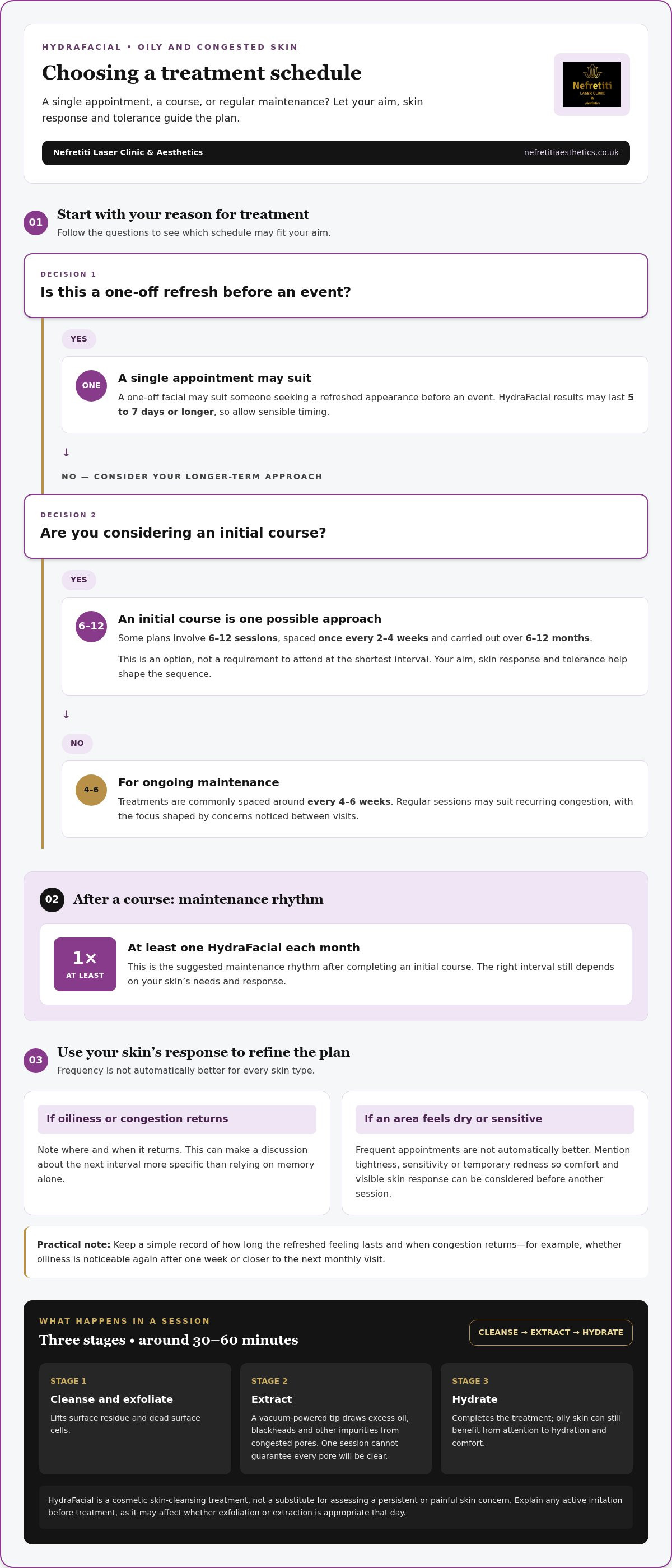
For ongoing maintenance, a HydraFacial is commonly scheduled every 4-6 weeks. This interval gives the skin time between facial treatments whilst keeping cleansing and hydration part of a regular routine. A monthly appointment follows a similar rhythm. For oily or congested skin, the plan can focus on the concerns noticed between visits, such as visible oiliness or blocked pores.
A different schedule may be used for an initial course. Some treatment plans involve 6-12 sessions, spaced once every 2-4 weeks and carried out over 6-12 months. After completing a course, the suggested maintenance rhythm is at least one HydraFacial each month. These schedules describe different approaches, not a requirement to attend at the shortest interval. Your aim, skin response and tolerance help shape the sequence.
Consider what you want to achieve before choosing between a single appointment and a course. A one-off facial may suit someone seeking a refreshed appearance before an event. Regular sessions may suit someone addressing recurring congestion. HydraFacial results may last 5 to 7 days or longer, so an appointment before a particular occasion needs sensible timing. A radiant appearance should not be treated as a guaranteed or permanent outcome.
Allow around 30-60 minutes for a standard HydraFacial treatment. The time spent in the treatment room can depend on the selected facial and the areas being addressed. Use the appointment to discuss your skin’s usual pattern, including whether oiliness affects your whole face or mainly the forehead, nose and chin. That detail can help tailor the treatment approach and future interval.
Skin type can influence how often you consider treatment. Oily skin may need attention to congestion, while combination skin can have an oily T-zone and drier cheeks. Frequent appointments aren’t automatically better for dry or sensitive-feeling areas. A practitioner can consider comfort and visible skin response before planning another session. Mention any changes after your previous treatment, including temporary redness or tightness.
Between appointments, keep a simple record of how long the refreshed feeling lasts and when congestion returns. For example, note whether oiliness is noticeable again after one week or closer to the next monthly visit. This practical step makes frequency discussions more specific than relying on memory alone. You can also review the HydraFacial treatment details before deciding what to discuss at an appointment.
Cleansing, extraction and hydration
A HydraFacial appointment has three steps: cleanse and exfoliate, extract, then hydrate. Each stage addresses a different concern, from surface build-up to blocked pores and skin comfort.
Vortex-Fusion Cleansing and Exfoliation
The Vortex-Fusion stage combines cleansing and exfoliation to lift surface residue before extraction. The treatment works across the skin, rather than targeting blackheads alone, and can include areas such as the nose, forehead and chin. Before treatment, explain whether oiliness, dullness or congestion is your main concern. This helps focus attention on the areas you most want addressed.
Exfoliation helps remove dead surface cells, while cleansing loosens impurities that collect with everyday oil and debris. The approach is designed to feel gentle, though sensations can vary across the face. Mention areas that feel especially sensitive, such as dry cheeks beside an oily T-zone. This helps the practitioner adapt their technique instead of treating every area as if it had the same needs.
Vacuum-Powered Extraction
During extraction, a vacuum-powered tip draws excess oil, blackheads and other impurities from congested pores. It clears build-up mechanically, rather than relying on manual squeezing across the face. The practitioner can focus on visible blockages, including around the nose or chin. One session cannot guarantee that every pore will be completely clear.
Tell the practitioner if any area feels uncomfortable during this step. Pressure and sensation can vary depending on congestion and the area being treated. A gentle approach matters, especially around delicate parts of the face. The aim is to remove accessible impurities without forceful extraction.
After cleansing and extraction, hydration completes the treatment. This final step can leave skin feeling less stripped than a routine focused only on removing oil. Hydration still matters for oily skin: surface shine doesn’t mean every area feels comfortable or balanced. Combination skin may need a different emphasis, as cheeks can feel drier than the forehead or nose.
Think of the stages as a sequence, not interchangeable actions. Cleansing prepares the surface, exfoliation lifts accumulated cells, and extraction addresses pore debris before hydration. If persistent blackheads are your main concern, describe where they recur and what your usual routine involves. Mention tightness or sensitivity, too. These details help tailor the facial to your skin instead of applying the same approach everywhere.
HydraFacial is a cosmetic skin-cleansing treatment, not a substitute for assessing a persistent or painful skin concern. Explain any active irritation before treatment, as it may affect whether exfoliation or extraction is appropriate that day. A considered sequence can support comfort while addressing oil, impurities and hydration together.
HydraFacial for oily and congested skin
Oily and combination skin can both look shiny, but their needs may differ across the face. Noting where congestion and dryness occur can make your treatment discussion more specific.
Oily Skin and Pore Congestion
Oil can mix with dead skin cells and collect inside pores, making blackheads more visible around the nose or chin. Notice whether congestion is limited to certain areas or appears more widely. This pattern, along with whether your skin feels tight or comfortable, gives a clearer picture than the general label “oily skin”.
A session may improve the appearance of surface congestion, but it doesn’t change your skin’s natural oil production. If blocked pores return, note where and when they recur. For anyone considering a HydraFacial for oily skin in Essex, this information can help focus a conversation on the treatment’s role in their skincare routine.
Comparing Facials for Oily Skin
Facials can differ in technique and focus. HydraFacial combines several stages, while another facial may focus more on cleansing or relaxation. Compare the actual steps and intended focus, rather than relying on the treatment name alone. If you’re choosing between options, start with your main concern, such as recurring blackheads or uneven-feeling texture.
Consider how your skin usually responds to exfoliation and hands-on treatments. Mention any products or facial techniques that have caused discomfort before. This can help the practitioner discuss whether the approach suits your preferences and current skin condition.
Aftercare for Oily Skin
Keep your routine familiar after the appointment instead of introducing several new products at once. For example, continue using the cleanser and moisturiser you already tolerate, and follow the aftercare instructions provided. A steady routine makes it easier to notice whether a product causes discomfort or changes how your skin feels.
If your skin feels unusually irritated after treatment, avoid scrubbing or trying to clear pores yourself. Contact the clinic that performed the session if the reaction concerns you. For persistent painful spots or skin changes, seek appropriate medical advice rather than treating them as ordinary congestion.
Suitability for different skin types
HydraFacial can be used for oily skin, but skin type alone doesn’t establish suitability. If you have active irritation, broken skin, an ongoing skin condition or a known ingredient sensitivity, get medical advice before booking.
Sensitive Skin Suitability
Sensitive skin can react to cleansing and exfoliation, so describe previous reactions before treatment. For example, mention stinging after a cleanser, redness following exfoliation or dry patches beside an oily forehead. This helps the practitioner consider whether the treatment steps are appropriate for your skin’s current condition.
Share the products in your routine, including exfoliants and prescribed skincare. A history of reacting to a particular ingredient matters, even if your skin feels calm on appointment day. “Sensitive” isn’t a single diagnosis: the trigger, affected area and current symptoms all provide useful context.
Oily Skin and Other Conditions
HydraFacial is used to address oily skin, which may occur alongside blackheads or surface congestion. Combination skin can have an oily T-zone and drier cheeks. Explain which areas concern you most, rather than describing the whole face as uniformly oily. This helps focus the assessment on your actual skin pattern.
Other concerns may require a different assessment. If active irritation or an ongoing skin condition affects your face, discuss it before treatment. HydraFacial is a cosmetic facial, not a diagnosis or replacement for medical care. Persistent or painful symptoms call for appropriate medical advice before focusing on appearance.
Your skin goals also matter. Fine lines, uneven texture and visible congestion are different concerns, even when they appear together. Tell the practitioner which change matters most to you. If your main aim is collagen support, discuss it separately rather than assuming a cleansing facial addresses it.
Bring a clear account of your current routine. For instance, list your cleansers, exfoliating products and topical treatments. Mention hyaluronic acid products if you use them, especially if you’ve noticed discomfort. The practitioner can consider this information when assessing skin sensitivity and treatment suitability.
Even a relaxing facial should be assessed carefully. Before the session, describe recent changes, such as a new rash, unusual tenderness or a reaction to skincare. If your skin looks broken or inflamed, pause plans and seek medical advice. Clear information helps distinguish routine oiliness from a concern that needs separate attention.
For oily or combination skin, suitability depends on the areas involved, current skin condition and personal sensitivities. A careful discussion before treatment helps establish whether cleansing and exfoliation fit your needs or another course of action should come first.
HydraFacial for oily and combination skin
Oily and combination skin can share shine and congestion, but they don’t behave identically across the face. A useful treatment plan considers each area separately, rather than treating the whole complexion as equally oily.
With oily skin, shine or blocked pores may appear across several facial areas. Combination skin often has a more localised pattern, such as an oily forehead and nose alongside cheeks that feel dry or tight. Before a session, identify where oiliness, visible pores and discomfort occur. This gives the practitioner a clearer picture than the label “combination” alone.
The key is balance. Cleansing and extraction can address surface oil and congestion, while hydration remains relevant for areas that feel uncomfortable or dry. Treating drier cheeks exactly like an oily T-zone may not suit their different needs. Describe how your face feels after cleansing, during the day and after applying your usual skincare.
HydraFacial results may be noticeable immediately, though their appearance and duration vary. A refreshed or glowing look after a session doesn’t mean the treatment changes your skin’s natural oil production. Oily areas can become shiny again, and combination skin can continue to show different textures across the face. Consider the treatment one part of a skincare routine, not a permanent way to control oil.
LED light therapy is a separate treatment, so don’t assume it’s part of every facial. When comparing treatment descriptions, focus first on the steps explained: cleansing, extraction and hydration. This helps distinguish the core approach from other technologies or add-ons, without assuming every named facial includes the same features.
For combination skin, note how your skin responds in different areas after treatment. For example, record whether your forehead feels comfortable while your cheeks feel dry, or whether congestion remains around the nose. These observations can inform discussion about another session and whether the treatment emphasis should change. Avoid adding several new skincare products straight afterwards, as that can make it harder to identify your skin’s response.
Oily and combination skin aren’t identical, but both can have congestion alongside areas that need hydration. Explain the pattern clearly, keep expectations focused on your skin’s appearance and feel, and consider results over time instead of judging only by an instant glow. A facial plan should reflect your skin concerns and observed response, not simply the broad category on a skincare label.
Nefretiti Laser Clinic & Aesthetics: Laser Hair removal
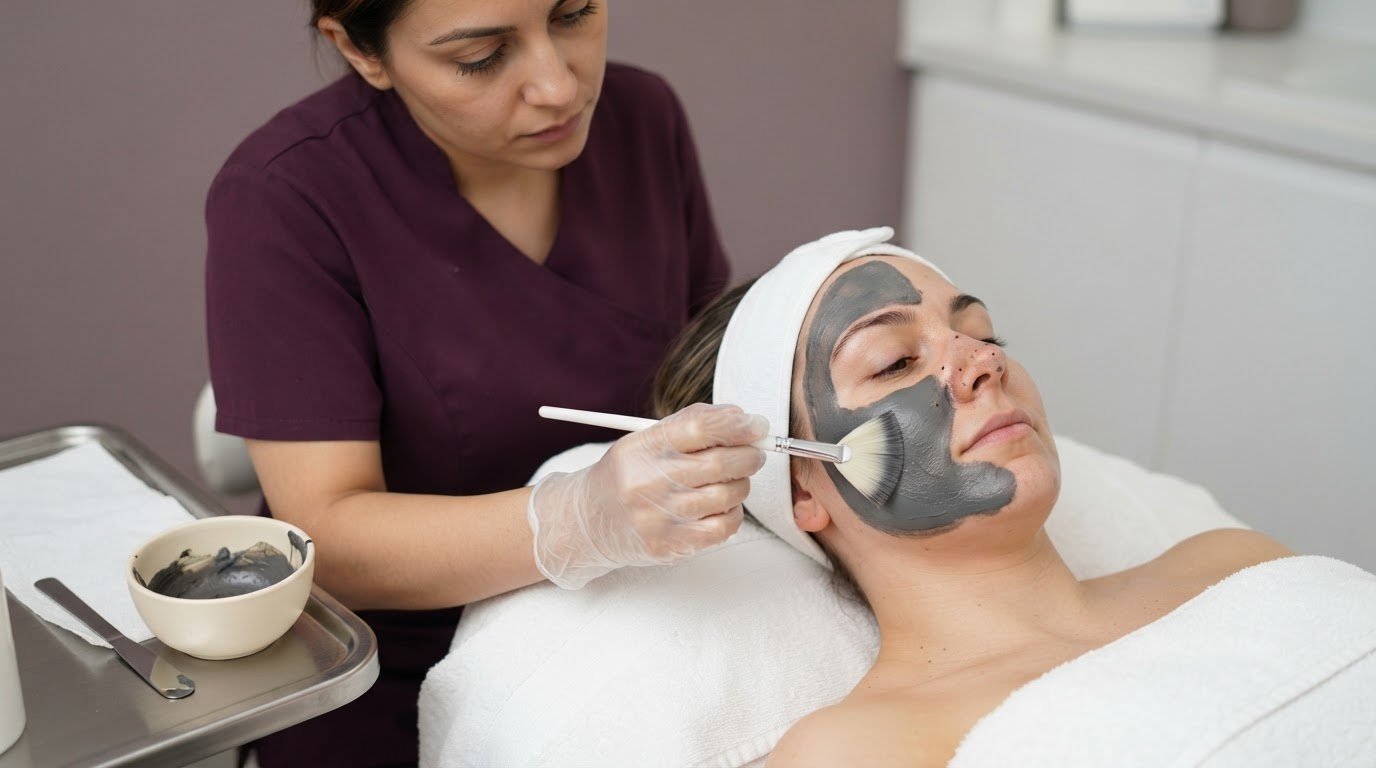
Nefretiti Laser Clinic & Aesthetics offers skin treatments for readers considering options beyond a cleansing facial. If oiliness is accompanied by other visible skin concerns, a Charcoal facial or IPL skin treatments may be relevant topics to discuss. The right choice depends on the concern you want to address and an assessment of your skin.
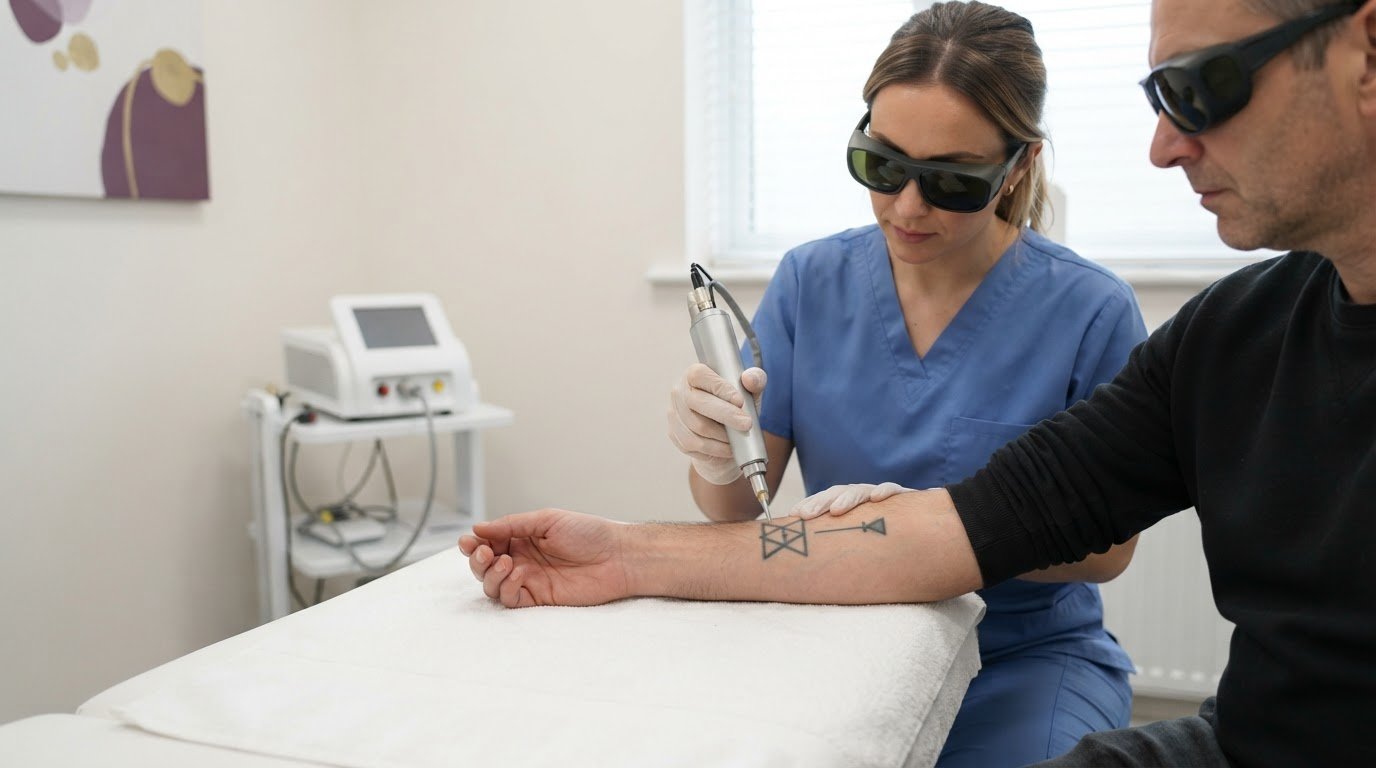
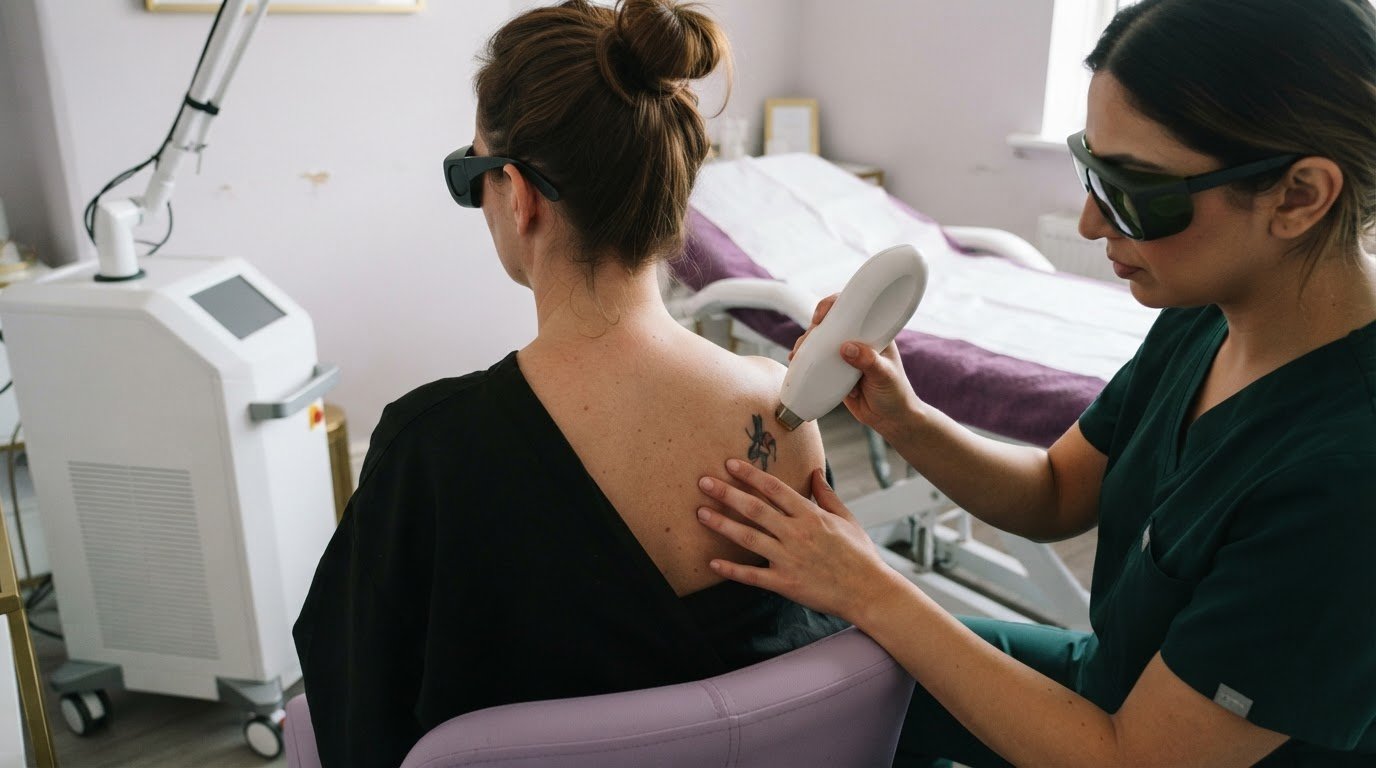
Explain whether your priority is congestion, uneven-looking tone or another change. This helps focus the conversation on suitable treatments, without assuming one facial addresses every concern. If hair removal is your main interest, the clinic also offers Laser Hair Removal.
For a considered next step, contact Nefretiti Laser Clinic & Aesthetics or visit nefretitiaesthetics.co.uk.
Take the next step towards a considered skin plan
Before choosing a HydraFacial for oily skin in Essex, decide what you’d like to focus on, such as how your skin feels or the appearance you hope to improve. A clear priority can make your next conversation more useful and help you decide whether the treatment fits your expectations.
Take time to weigh your skin goals against your current routine and any sensitivities. You don’t need to commit to a course straight away; a considered first step is to discuss what matters most to you.
A thoughtful plan can begin with one calm conversation.
Frequently Asked Questions
What is a HydraFacial?
HydraFacial is a non-surgical cosmetic facial delivered with a treatment device. It’s intended to improve the skin’s appearance and feel, rather than diagnose or medically treat a condition. Before booking, discuss your main goal, such as a fresher-looking complexion. This helps set clear expectations for a cosmetic treatment and distinguish it from care for persistent skin symptoms.
Is there any downtime or pain involved?
The sensation varies from person to person, and discomfort shouldn’t be ignored. Tell the practitioner if an area feels painful or unusually sensitive during the appointment, so they can respond appropriately. If your skin is already irritated that day, mention it before treatment begins. Sharing what you’re feeling is more useful than silently tolerating discomfort.
When will I see the effects?
The visible effect depends on the concern you want to address and your skin’s starting condition. Before treatment, agree on a realistic goal, such as a smoother-looking surface or fresher appearance. Avoid judging your skin under different lighting or just after changing several products. A consistent comparison gives you a clearer sense of whether you notice the cosmetic change you wanted.
How much does the treatment cost?
The price depends on the treatment and is discussed when you enquire. Cost factors include the treatment option, areas being treated and whether the plan involves one appointment or a course. Ask for the proposed treatment details alongside the quote, so you understand what the cost covers. This makes it easier to decide whether the approach suits your budget and aims.
What types of skin concerns can be alleviated with this treatment?
HydraFacial may improve the appearance of oily, congested skin. It’s a cosmetic option for concerns such as visible pore build-up, not a treatment for every skin condition. Describe what you see and feel, including whether a concern is persistent, painful or changing. These details help distinguish a cosmetic goal from a symptom that may need medical assessment.
How long is the recovery period?
Recovery describes how long your skin takes to feel settled after the appointment. Your usual skin sensitivity and response to treatment can affect this. Pay attention to how your skin feels, not just how it looks. If discomfort increases or a reaction concerns you, seek advice from the clinic that performed the treatment or an appropriate healthcare professional.
How does HydraFacial help oily skin and clogged pores?
The treatment may improve the appearance of clogged pores by addressing accessible surface build-up. It doesn’t alter the underlying causes of oiliness, so it shouldn’t be viewed as a permanent way to prevent congestion. If blockages come with sore, inflamed spots, explain this before treatment. Painful or persistent acne may need separate assessment rather than a cosmetic facial alone.
Is HydraFacial suitable for oily or acne-prone skin?
Oily skin may be suitable for HydraFacial, but acne-prone skin needs consideration of its current condition. Tell the practitioner about active breakouts, irritated areas and products that have caused a reaction. This helps them assess whether a cosmetic facial is appropriate for your skin that day. If acne is painful, persistent or worsening, seek medical advice rather than relying on a facial to treat it.
Ready to book? See prices and book HydraFacial at our Elm Park, Hornchurch clinic – 2 minutes from Elm Park station.
Comments